Maybe the best part of Belfast is this: you can leave your car parked, head out on foot, and build a full day around the harbor, downtown shops, a market stop, and a waterfront walk. If you are searching for a Midcoast Maine town where daily life feels connected and human-scaled, Belfast deserves a close look. Here’s what walkable living in Belfast actually looks like, who it tends to suit best, and what to keep in mind as you search. Let’s dive in.
Why Walkable Belfast Stands Out
Belfast’s most walkable areas are centered around the historic downtown and harborfront. In this part of town, you can reach restaurants, art galleries, groceries, farmer’s markets, a movie theater, pubs, shopping, and marine services on foot.
That mix matters because it creates more than a shopping district. It creates a true town center where errands, dining, waterfront access, and everyday routines can happen in the same outing.
The city’s planning documents describe downtown Belfast as a vibrant center with historic buildings, traditional local stores, specialty shops, service businesses, and upper-floor residential units. In other words, the walkable core feels mixed-use and lived-in, not like a single-purpose retail strip.
Where Walkability Is Strongest
If walkability is high on your list, focus your search around downtown and the harbor. That is where Belfast’s pedestrian-friendly lifestyle is most visible day to day.
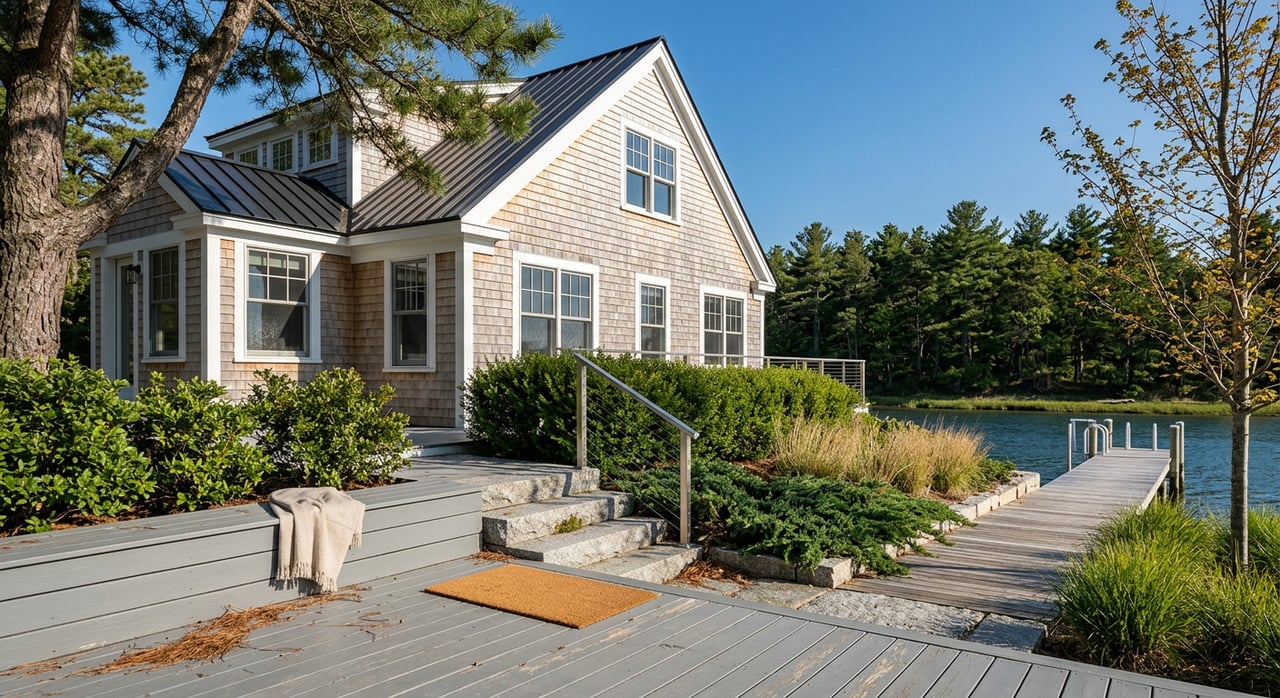
The Harbor Walk and Rail Trail add another major piece to the picture. Together, they run almost 3 miles along the waterfront, across the Armistice Bridge, and up the Passagassawakeag River, giving you a scenic route that links recreation with the downtown core.
The city also owns or controls multiple shore-access points through rangeways and rights-of-way. Many of these are within walking distance of downtown, and several have limited or no parking, which tends to make them especially useful for people already living nearby.
What Daily Life Can Feel Like
Walkable Belfast is not just about convenience. It is also about rhythm.
You might start with a coffee and a few errands, stop by the library, browse downtown shops, and finish with a waterfront walk before heading home. In summer, you may also find yourself folding in the Belfast Farmers Market or Belfast Art Market at Waterfall Arts.
The city’s comprehensive plan points to the role of Waterfall Arts, the Belfast Creative Coalition, and Friday Night Art Walks in supporting the local arts scene and drawing people downtown. The Belfast Free Library on High Street adds another civic anchor, while Belfast Chalk Walk uses the Harbor Walk and waterfront as a public art setting.
For buyers coming from a more car-dependent area, that kind of routine can feel like a real lifestyle shift. You are not just choosing a house. You are choosing a pattern of living where more of your week happens within a short walk.
The Look And Feel Of Downtown Housing
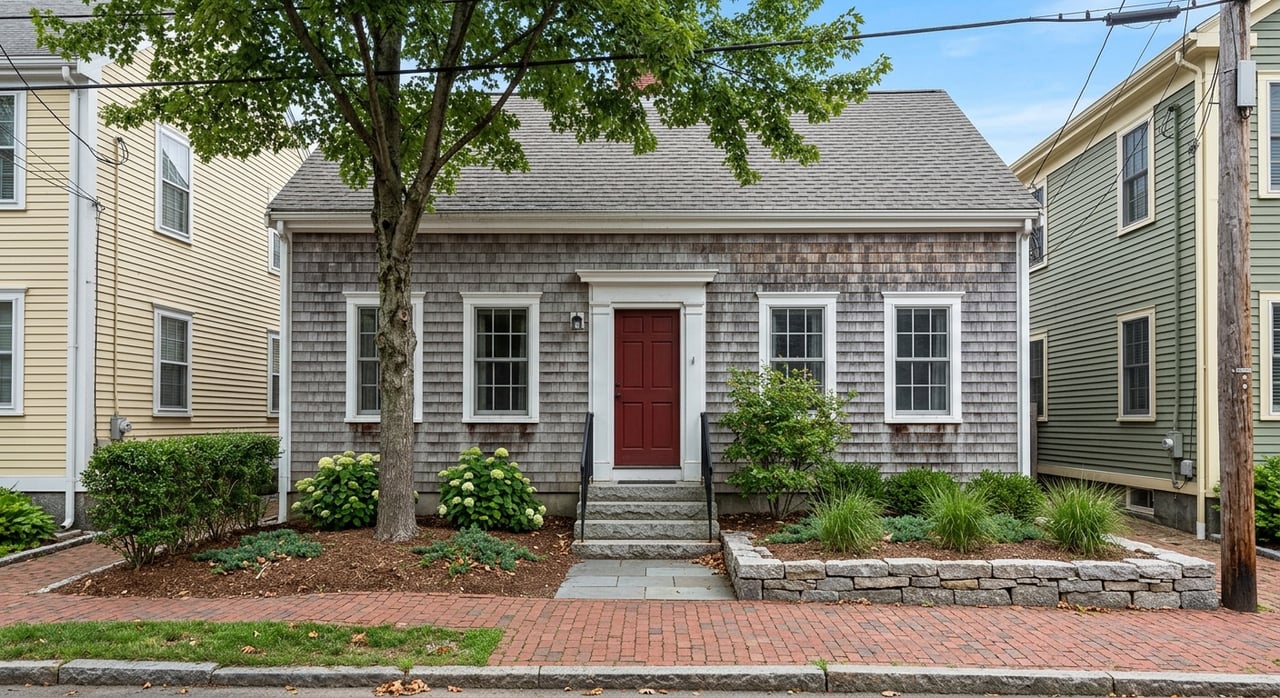
If you picture newer subdivisions when you think of in-town housing, Belfast may surprise you. Much of the city center falls within the Belfast Historic District, which includes 287 properties on 18 streets and many buildings constructed before 1900.
The district reflects a range of architectural styles, including Federal, Greek Revival, Gothic Revival, Italianate, Queen Anne, and Renaissance Revival. That variety gives the downtown area a layered, historic New England streetscape that many buyers find especially appealing.
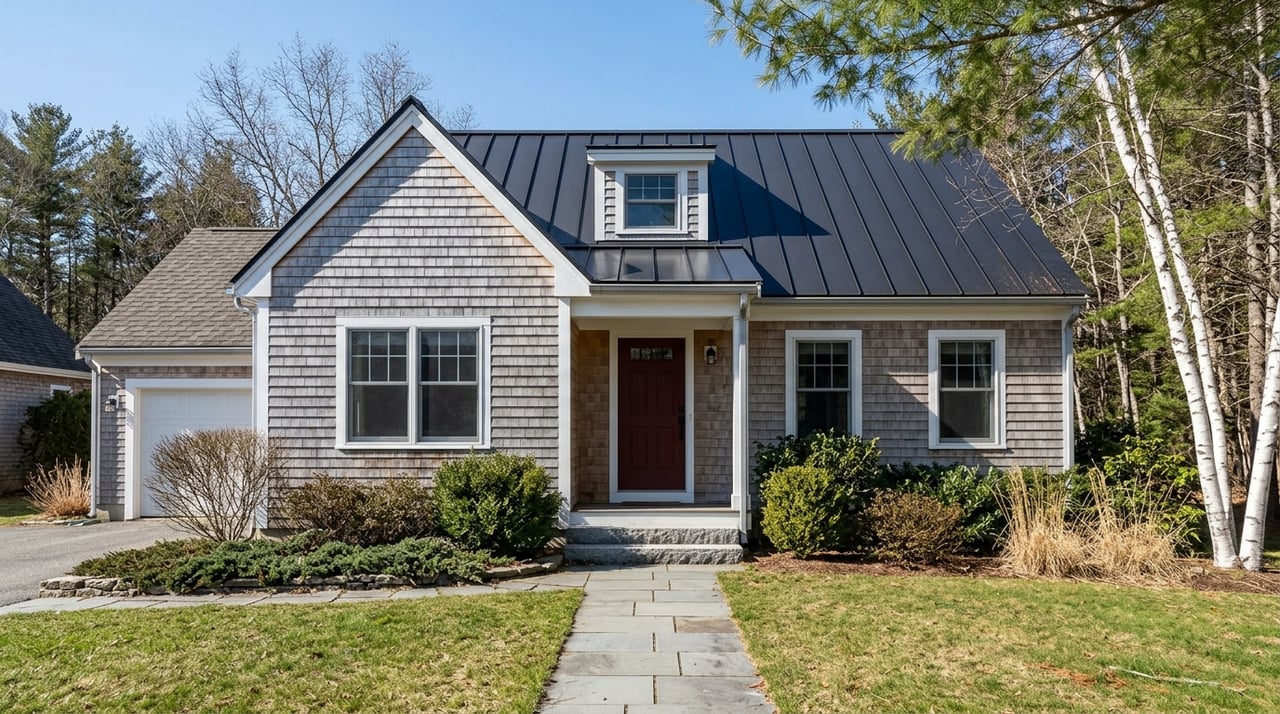
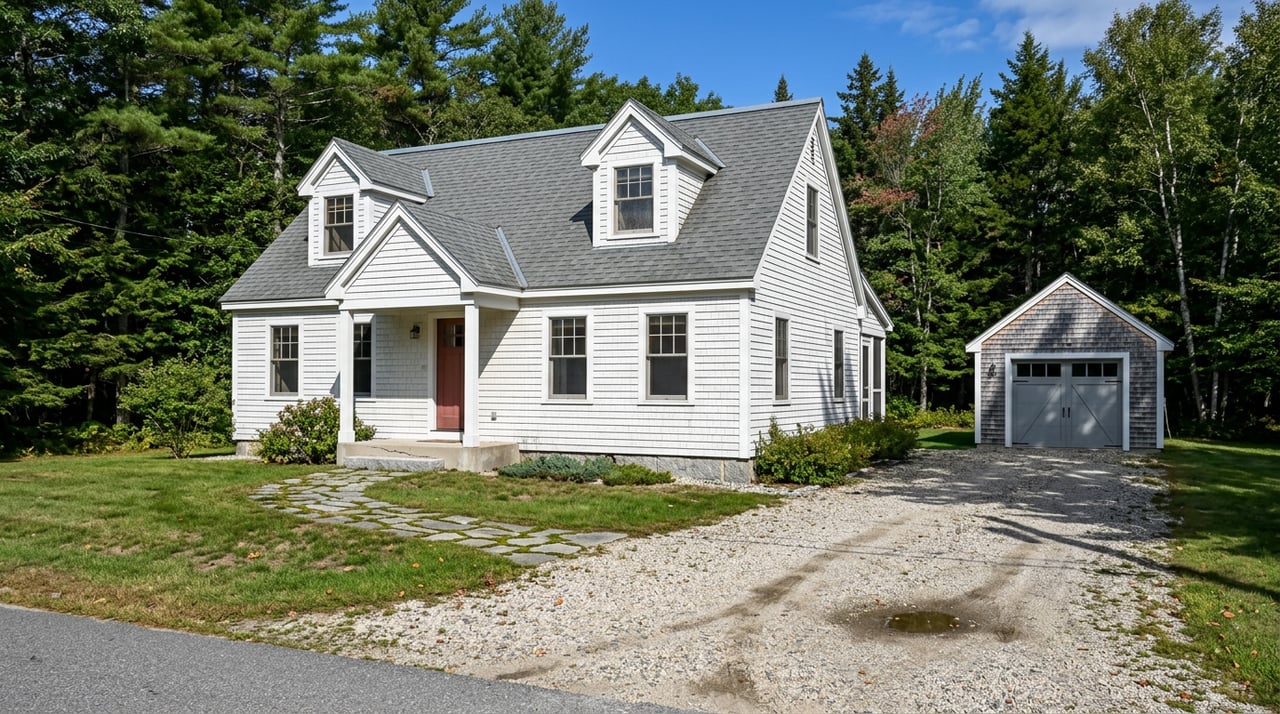
In practical terms, buyers near downtown and the harbor should expect older homes, historic merchant-era buildings, and mixed-use structures more often than new-construction neighborhoods. If you love character, walkable streets, and homes with a story, this part of Belfast may feel like a strong fit.
Who Walkable Belfast Fits Best
Walkable Belfast often appeals to buyers who want a car-light lifestyle. That usually means you value being able to step outside and reach shops, the waterfront, and cultural destinations without planning every outing around a drive.
This can be especially attractive if you are relocating to Midcoast Maine and want a town that feels easy to learn and easy to enjoy. It can also be a strong match for second-home buyers who want a place where they can arrive, settle in, and enjoy the harborfront without constantly getting back in the car.
For some buyers, the biggest draw is that Belfast offers both utility and atmosphere. You are not trading convenience for charm, or charm for convenience. In the downtown and harbor area, you can often have both.
The Tradeoffs To Understand
Walkable does not mean fully car-free. That is one of the most important things to understand as you compare Belfast with other Midcoast towns.
The city reports more than 11.5 miles of walking trails and 3.1 miles of shared-use paths, but most trailheads are not connected to the sidewalk and bikeway network. That means some outdoor amenities still work better if you drive to them.
The city is actively improving its pedestrian network. Current work includes safer Route 1 crossings, sidewalks and bike lanes along the Route 1 bypass, Swan Lake Avenue, and Lincolnville Avenue, plus a redesign of the Northport Avenue and Church Street crossing.
Still, today’s version of walkable Belfast is best described as car-light rather than car-free. If you want to walk to coffee, the harbor, galleries, and some everyday needs, Belfast can deliver that well in the core. If you want every trail, errand, and appointment to be reachable on foot, you may find the experience more limited.
What Buyers Should Watch For
When you are home shopping in Belfast, location within town matters a lot. Two homes can both have a Belfast address but offer very different day-to-day experiences.
If walkability is a priority, pay close attention to how easily a property connects to downtown, the harborfront, and the Harbor Walk or Rail Trail. Even a modest difference in location can change whether you truly walk into town or mainly drive there.
It also helps to think honestly about your lifestyle. Do you want to browse shops, visit the library, catch local art events, and take regular waterfront walks? Or do you picture a quieter setting where privacy and separation come first?
Neither preference is better. They simply point to different property searches.
Why Local Guidance Matters
In a town like Belfast, the map only tells part of the story. The real difference often comes down to how a home feels in relation to the streetscape, the waterfront, the downtown slope, and the places you would actually visit every week.
That is why neighborhood-level guidance matters so much, especially if you are relocating or buying a second home from farther away. You want to know not just what is technically nearby, but what is realistically easy and enjoyable on foot.
At The Uhll Group, we believe that kind of context helps you buy with confidence. It is not only about square footage or price point. It is about finding the part of town that matches the life you want to live.
If you are exploring Belfast or comparing it with other Midcoast communities, The Uhll Group at Legacy Properties Sotheby's International Realty can help you narrow in on the neighborhoods and property types that best fit your goals.
FAQs
Is downtown Belfast, Maine walkable for everyday errands?
- Yes. In Belfast’s downtown and harbor area, you can reach restaurants, groceries, shops, galleries, farmer’s markets, a movie theater, pubs, and marine services on foot.
Where is walkability strongest in Belfast, Maine?
- Walkability is strongest around the historic downtown and harborfront, including areas connected to the Harbor Walk and Rail Trail.
What is the Harbor Walk and Rail Trail in Belfast, Maine?
- It is a waterfront route that runs almost 3 miles along the harbor, across the Armistice Bridge, and up the Passagassawakeag River.
What kinds of homes are common near downtown Belfast, Maine?
- Near downtown and the harbor, buyers should generally expect older homes, historic buildings, and mixed-use structures more often than newer subdivision-style housing.
Is Belfast, Maine a good fit for car-free living?
- Belfast is better described as car-light than fully car-free. The downtown and harbor core is highly walkable, but many trails and some amenities still require a drive.
What makes walkable Belfast, Maine appealing to buyers?
- Many buyers are drawn to the mix of harbor access, historic streetscapes, shops, arts and cultural venues, and the ability to combine errands and recreation in one outing.